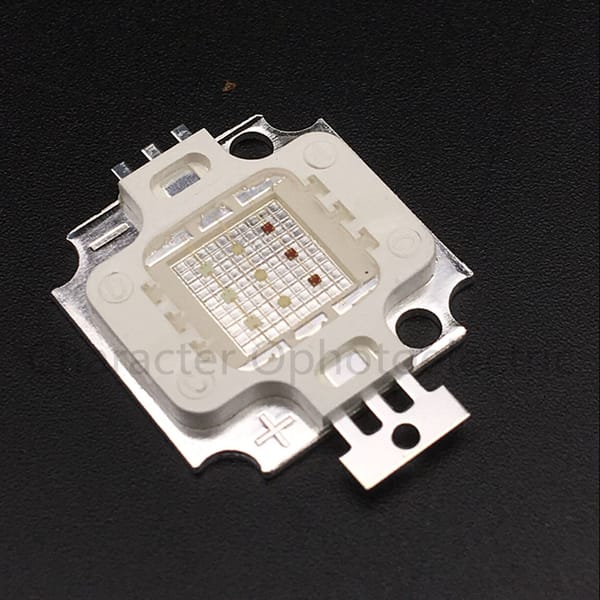
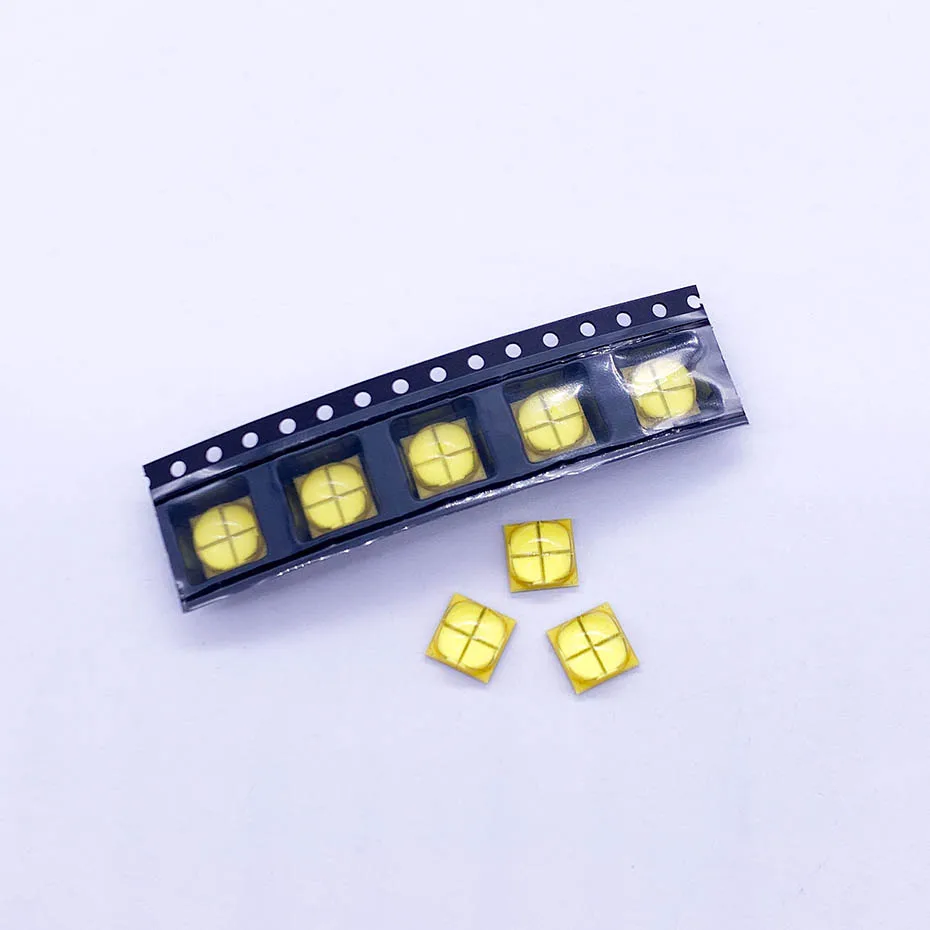
50pcs LED Lamp Bead 20W DC12-13.5V 1500mA LED COB White 6500K For LED Torch Light Source Accessories Only Bead
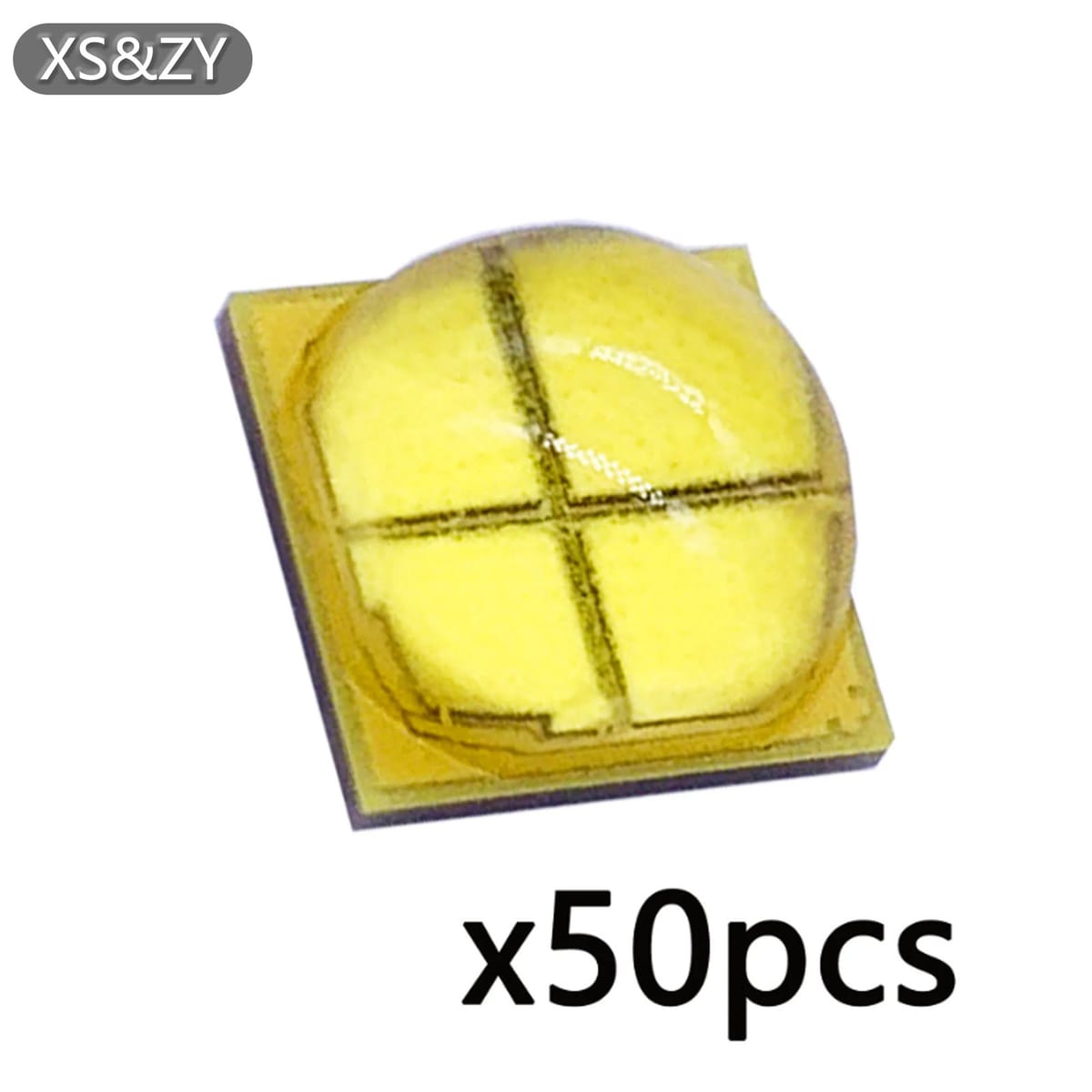
Product Specifications
Power: 20W
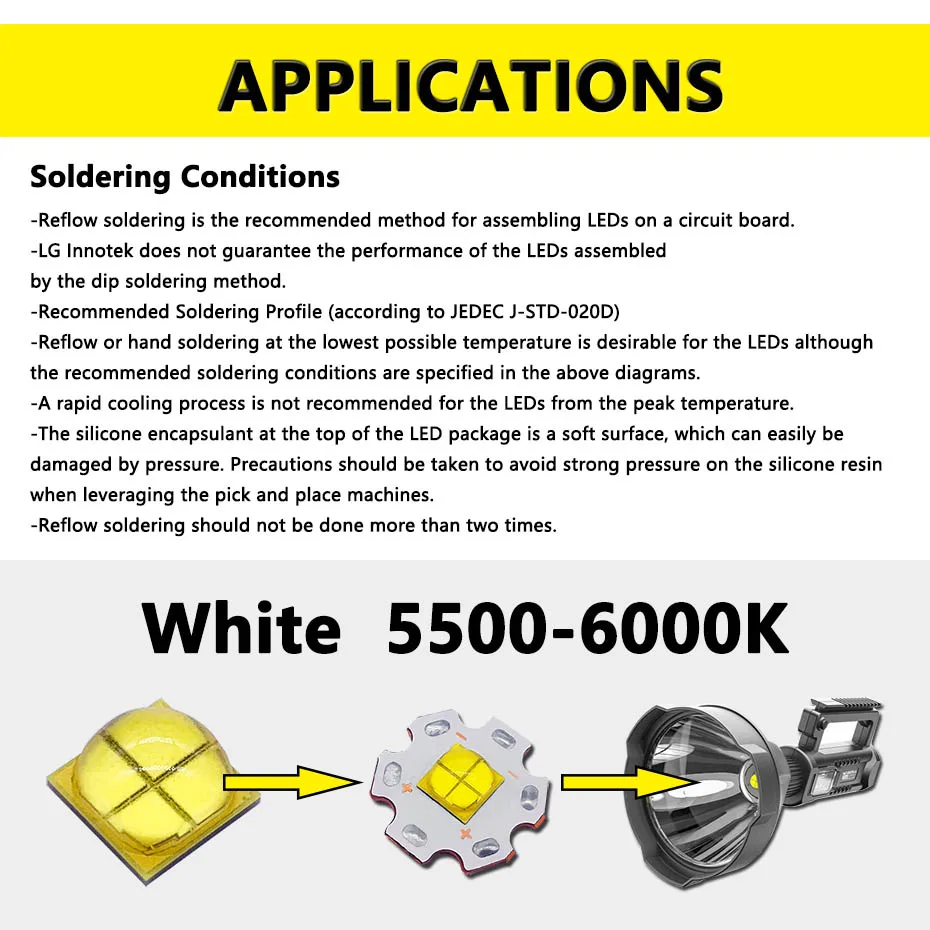
Color temperature: 5500-6000K
Voltage: DC12-13V
Current: 750-1500±5%
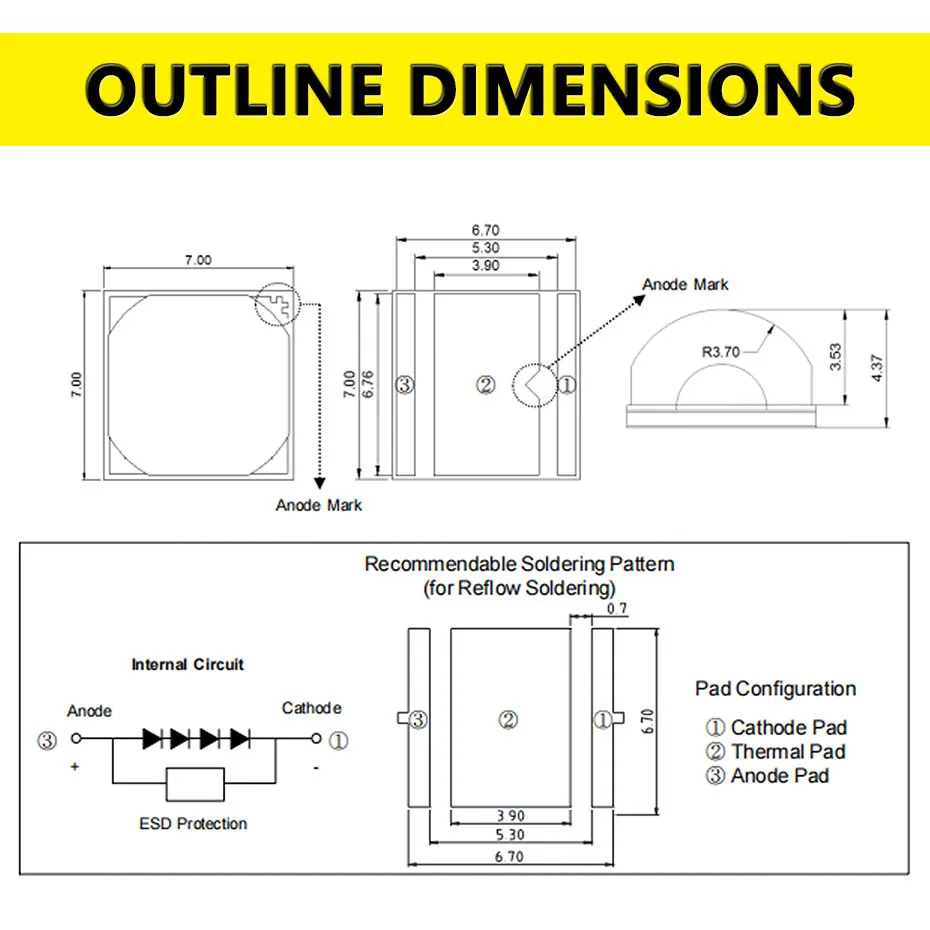
Serial and parallel circuit: 4 series and 1 parallel
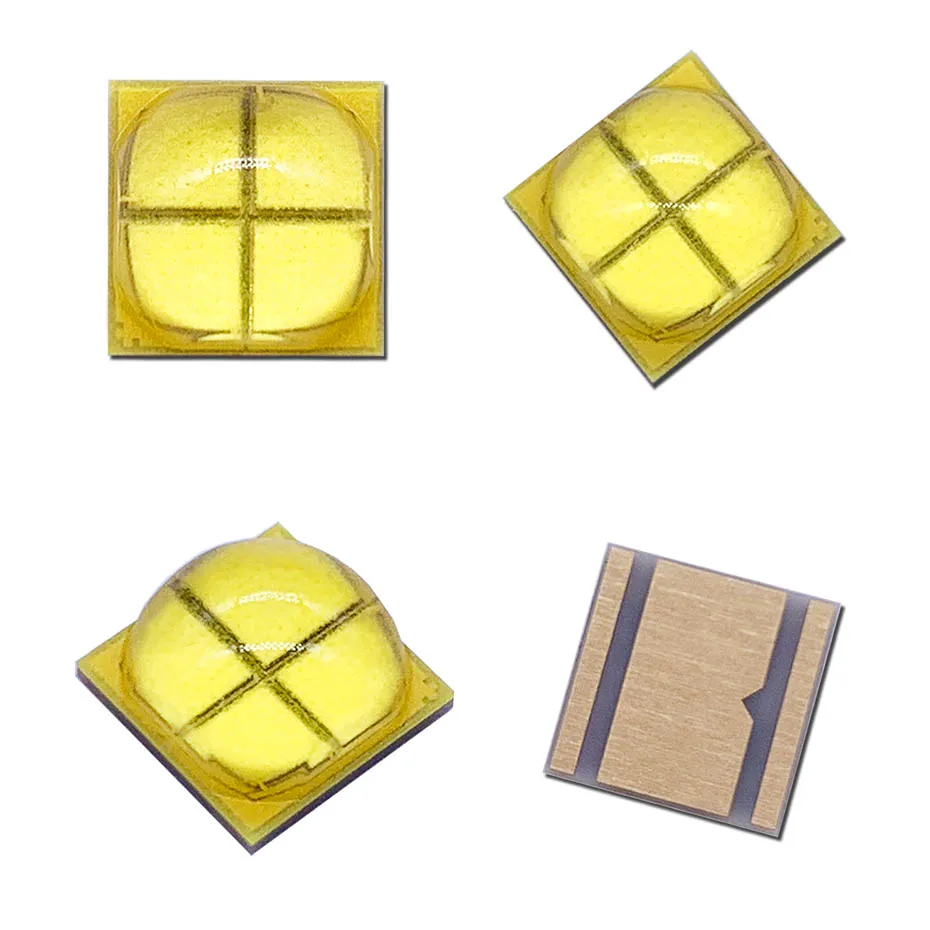
Crystal size: 7*7mm
Crystal quantity: 4pcs (45*4mil)
Crystal name: Korea LG chip
Lumen : 20W*100lm/w=2000 lm
Features
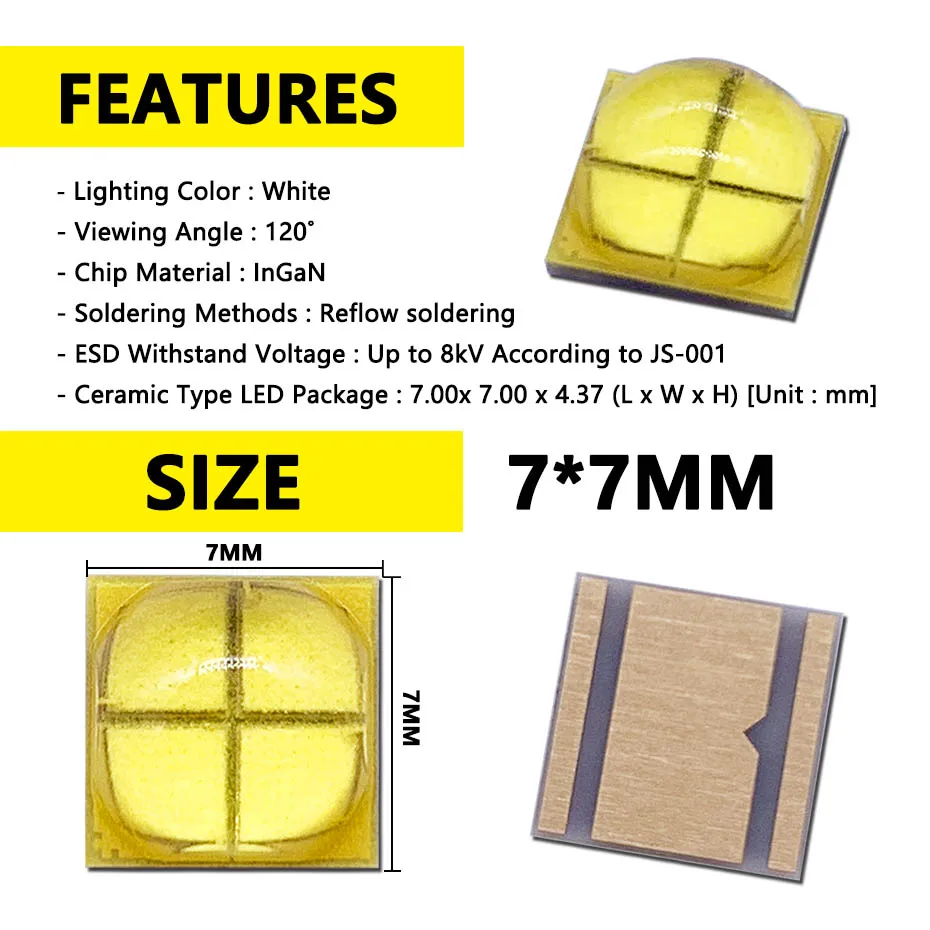
- Lighting Color : White
- Ceramic Type LED Package : 7.00x 7.00 x 4.37 (L x W x H) [Unit : mm]
- Viewing Angle : 120˚
- Chip Material : InGaN
- Soldering Methods : Reflow soldering
- ESD Withstand Voltage : Up to 8kV According to JS-001
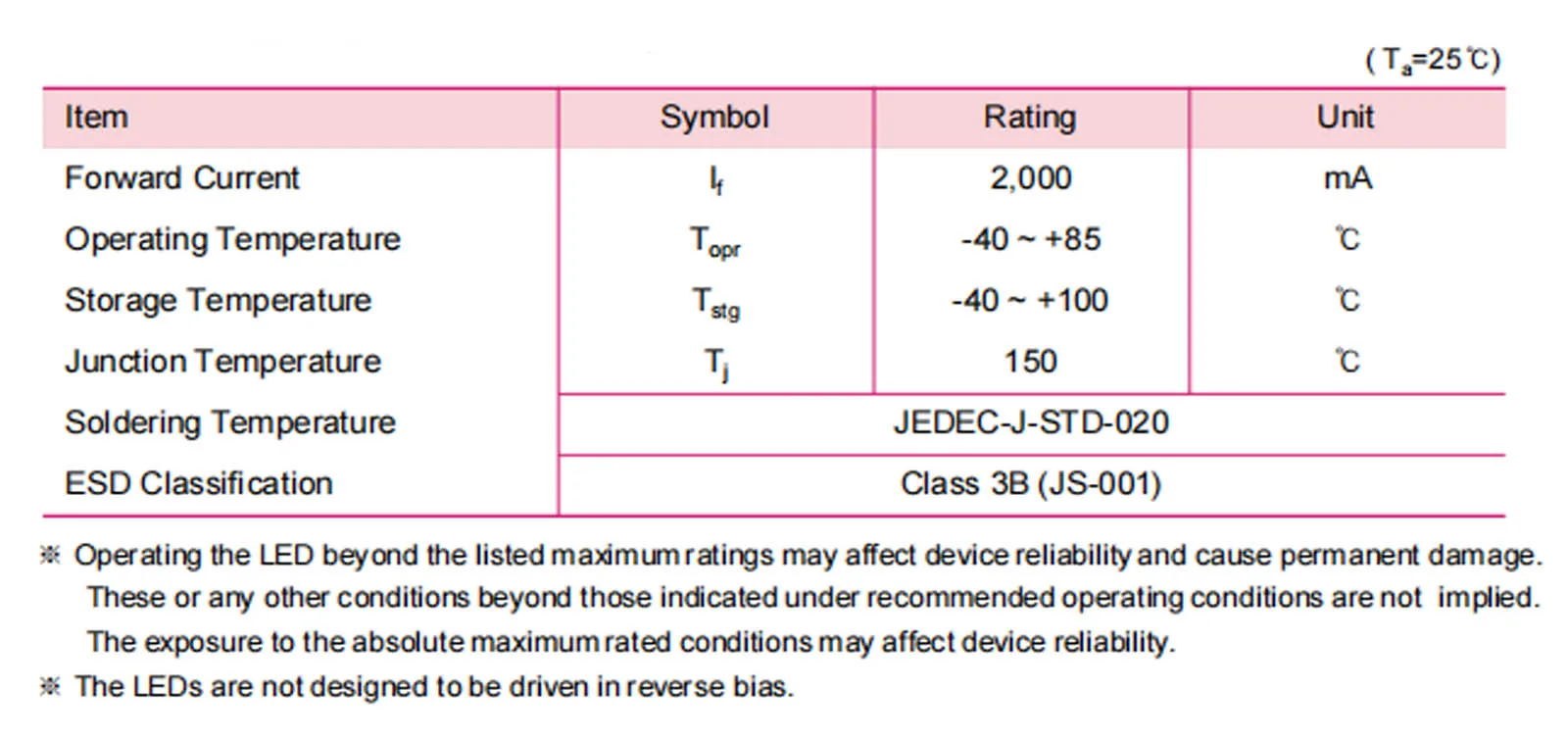
Absolute Maximum Ratings
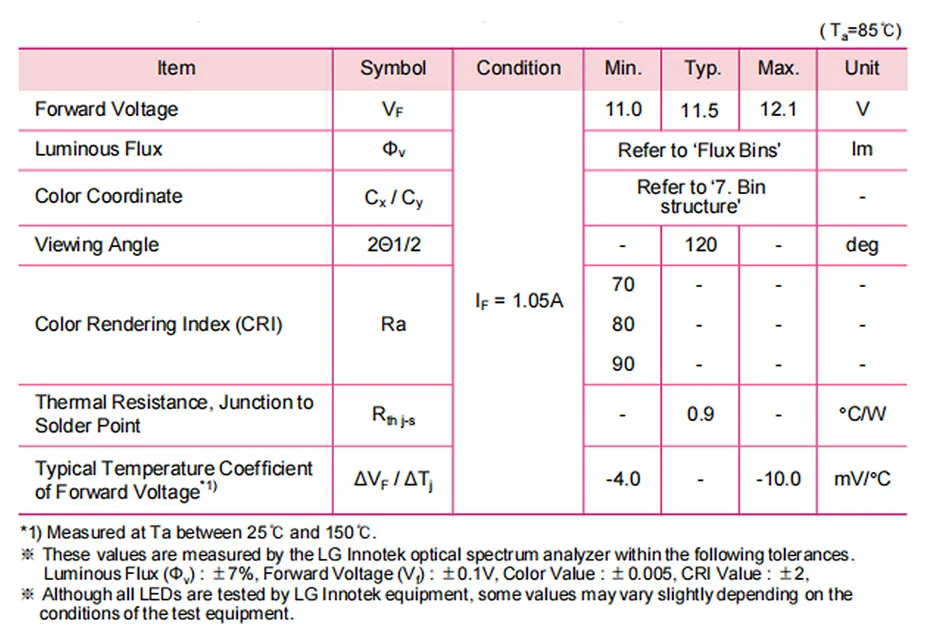
Electro - Optical Characteristics (Continued)
Cautions on Use
Soldering Conditions:
-. Reflow soldering is the recommended method for assembling LEDs on a circuit board.
-. LG Innotek does not guarantee the performance of the LEDs assembled by the dip soldering method.
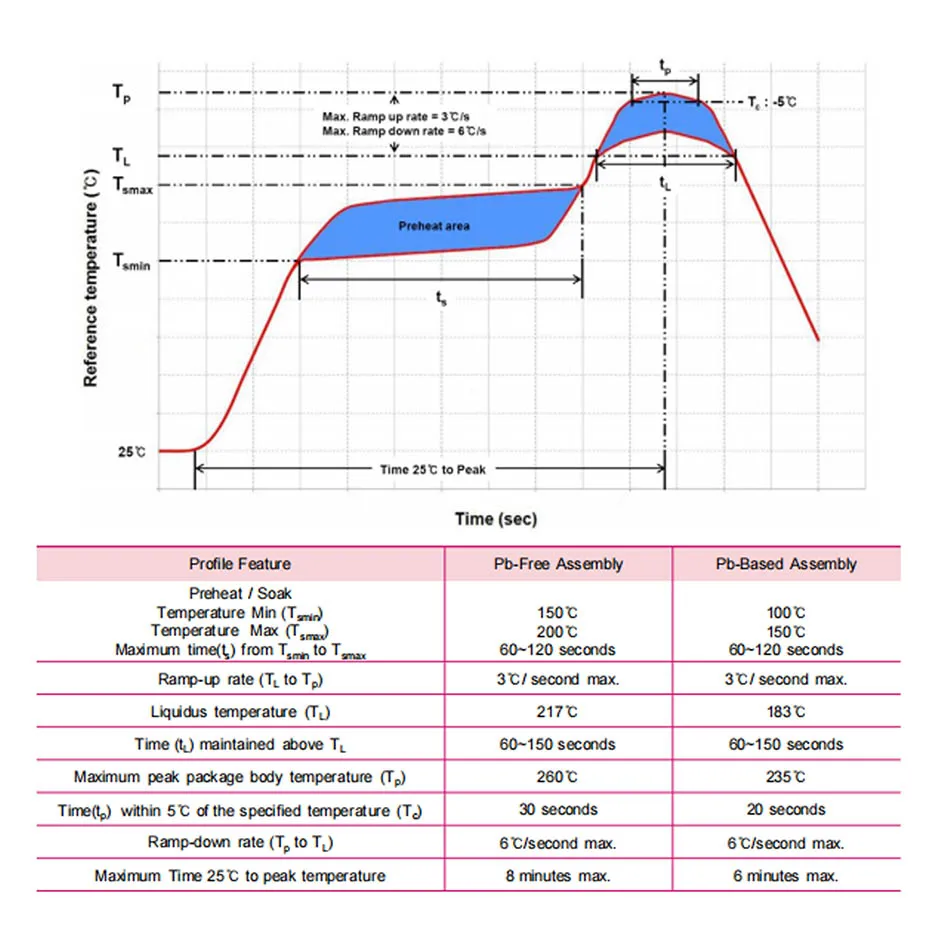
-. Recommended Soldering Profile (according to JEDEC J-STD-020D)
-. Reflow or hand soldering at the lowest possible temperature is desirable for the LEDs although
the recommended soldering conditions are specified in the above diagrams.
-. A rapid cooling process is not recommended for the LEDs from the peak temperature.
-. The silicone encapsulant at the top of the LED package is a soft surface, which can easily be
damaged by pressure. Precautions should be taken to avoid strong pressure on the silicone resin
when leveraging the pick and place machines.
-. Reflow soldering should not be done more than two times.
Soldering Iron:
-. The recommended condition is less than 5 seconds at 260℃.
-. The time must be shorter for higher temperatures. (+10℃ → -1sec).
-. The power dissipation of the soldering iron should be lower than 15W and the surface temperature
of the device should be controlled at or under 230℃.
Eye Safety Guidelines:
-. Do not directly look at the light when the LEDs are on.
-. Proceed with caution to avoid the risk of damage to the eyes when examining the LEDs with optical
instruments.
Manual Handling:
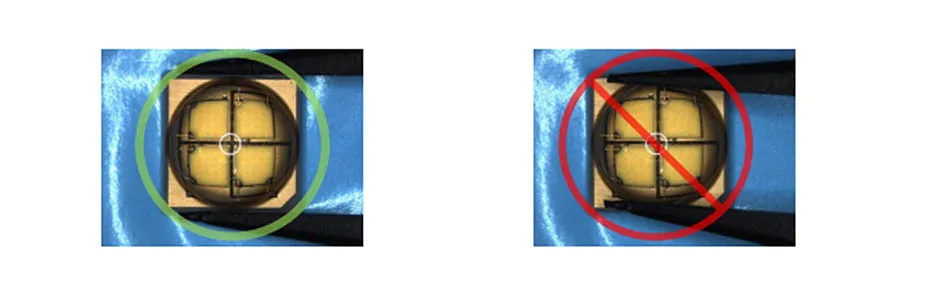
-. Use Teflon-type tweezers to grab the base of the LED and do not apply mechanical pressure on the
surface of the encapsulant.
,